
Living with chronic knee pain can affect nearly every part of daily life, from walking and climbing stairs to participating in work, exercise, and even simple recreational activities. At Vipul Dua, MD, under the care of Vipul Dua, we understand how limiting knee pain can be and how important it is to find effective, evidence-based treatment options that focus not just on symptom relief, but on restoring function and improving long-term joint health.
One of the most promising regenerative treatments we offer is PRP Knee Pain therapy. This innovative approach uses your body’s own healing components to support tissue repair, reduce inflammation, and potentially delay the need for more invasive procedures such as joint replacement. Patients searching for PRP Knee Pain treatment in South Windsor and surrounding communities are often looking for alternatives to long-term medication use or major surgery, and platelet-rich plasma therapy has become a valuable option in that journey.
Our approach combines advanced orthopedic knowledge, patient-centered care, and a commitment to helping individuals return to an active and pain-free lifestyle. Whether you are exploring non-surgical options or considering long-term solutions such as PRP Knee surgery discussions or surgical evaluation, our goal is to guide you with clarity, honesty, and expertise.
Understanding PRP Knee Pain and How It Develops
Knee pain is one of the most common musculoskeletal complaints, and it can stem from a variety of causes including osteoarthritis, ligament injuries, cartilage wear, overuse, or previous trauma. Over time, the natural cushioning in the knee joint can break down, leading to inflammation, stiffness, and reduced mobility.
PRP Knee Pain therapy is designed to address some of these underlying issues by supporting the body’s natural healing processes. PRP, or platelet-rich plasma, is derived from a patient’s own blood. It contains a high concentration of platelets, which are rich in growth factors that play a key role in tissue repair and inflammation control.
When injected into the knee joint, PRP is believed to help stimulate healing in damaged tissues, improve joint lubrication, and reduce inflammatory responses that contribute to chronic pain. While results vary from patient to patient, many individuals experience improved comfort and function over time, particularly when PRP is combined with a structured rehabilitation plan.
How PRP Knee Pain Treatment Works
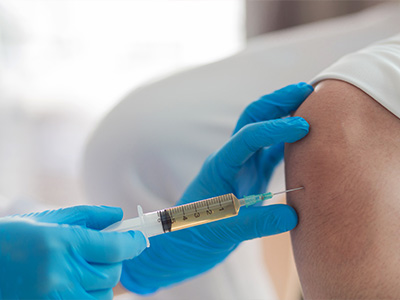
The process of PRP Knee Pain treatment begins with a simple blood draw. The blood is then placed into a centrifuge, a device that spins at high speed to separate the platelet-rich plasma from other blood components. Once concentrated, the PRP is carefully injected into the affected knee area using precise imaging guidance when necessary.
Because the treatment uses your own biological material, the risk of allergic reaction or rejection is extremely low. After the injection, the growth factors within the PRP begin interacting with the surrounding tissues, signaling the body to initiate repair and regeneration processes.
Patients may not experience immediate relief, as PRP works gradually over time. The healing response typically develops over several weeks, with continued improvement possible for months following treatment. This makes PRP Knee Pain therapy particularly appealing for individuals who prefer a regenerative approach rather than simply masking symptoms.
PRP Knee Pain Treatment in South Windsor and Surrounding Communities
For patients seeking PRP Knee Pain treatment in South Windsor, access to specialized orthopedic care is essential. Vipul Dua, MD serves individuals throughout the region who are looking for advanced, non-surgical solutions to persistent knee pain.
We recognize that every patient’s condition is unique. Some may be dealing with early-stage arthritis, while others may have more advanced degenerative changes or sports-related injuries. In each case, our goal is to evaluate whether PRP therapy is appropriate and how it can be integrated into a broader treatment plan.
In South Windsor and nearby communities, active lifestyles are common. Many residents enjoy walking trails, recreational sports, fitness activities, and physically demanding work routines. When knee pain interferes with these activities, it can significantly impact quality of life. PRP Knee Pain therapy offers a potential bridge between conservative treatments like physical therapy and more invasive surgical options.
PRP Knee Surgery and When Surgical Options Are Considered
Despite the name PRP Knee surgery often used in searches, it is important to clarify that PRP itself is not a surgical procedure. Instead, it is a minimally invasive injection-based treatment. However, it plays an important role in the broader spectrum of knee care, especially when patients are trying to delay or avoid surgery.
In some cases, knee damage may progress to a point where surgical intervention becomes the most effective solution. This may include partial or total knee replacement procedures. When that happens, our role is to ensure that patients fully understand their options, including how regenerative treatments like PRP may have been used earlier in the care timeline to potentially slow progression.
For individuals who eventually require surgery, we provide comprehensive evaluation and advanced surgical planning. The goal is always to preserve joint function for as long as possible while ensuring that surgical care, when needed, is precise, personalized, and outcome-focused.
Who Is a Good Candidate for PRP Knee Pain Therapy
Not every patient with knee pain is an ideal candidate for PRP therapy, which is why a detailed consultation is essential. In general, PRP Knee Pain treatment may be most beneficial for individuals with mild to moderate osteoarthritis, tendon injuries, ligament strains, or chronic inflammation that has not responded fully to conservative care.
Patients who are in the early stages of joint degeneration often see the most meaningful improvement. However, even those with more advanced conditions may experience symptom relief that improves mobility and quality of life.
During evaluation, we carefully review imaging, medical history, activity level, and treatment goals. This allows us to determine whether PRP is likely to provide benefit or whether alternative treatments should be considered first.
Our Orthopedic Services and Comprehensive Knee Care Approach
At Vipul Dua, MD led by Vipul Dua, we provide a full spectrum of orthopedic care designed to meet patients at every stage of their joint health journey. Our services include detailed diagnostic evaluations, advanced imaging review, non-surgical treatments such as injections and regenerative medicine, and surgical solutions when necessary.
We are particularly focused on conditions affecting the hip and knee, where mobility plays a central role in daily life. Patients seeking PRP Knee Pain treatment benefit from our integrated approach, which ensures that regenerative options are not viewed in isolation but as part of a complete care strategy.
When surgery is required, we also offer advanced techniques including robotic-assisted joint replacement, which allows for enhanced precision, improved alignment, and potentially faster recovery. Every treatment plan is individualized, with the goal of restoring function and reducing pain in the most effective way possible.
Why High-Quality Orthopedic Care Matters in South Windsor, CT
South Windsor, Connecticut is a community known for its active residents, family-centered lifestyle, and strong emphasis on health and wellness. From recreational sports leagues to outdoor activities and demanding professional routines, the knees play a critical role in supporting daily movement.
Because of this active environment, access to high-quality orthopedic care is especially important. Knee pain that goes untreated or is managed only with temporary solutions can progressively worsen, limiting mobility and reducing long-term joint health.
Residents in South Windsor benefit from having access to specialized care that prioritizes both early intervention and advanced treatment options. Whether someone is dealing with the early signs of arthritis or recovering from a sports injury, timely evaluation can make a significant difference in outcomes.
Our commitment is to provide care that reflects both medical expertise and an understanding of the community we serve. We recognize the importance of staying active in South Windsor’s lifestyle, and we strive to help patients maintain that ability for as long as possible.
The Role of Regenerative Medicine in Modern Knee Care
Regenerative medicine, including PRP Knee Pain therapy, represents a shift in how orthopedic conditions are approached. Instead of focusing solely on symptom control, regenerative treatments aim to support the body’s ability to heal itself.
While research continues to evolve, many patients report meaningful improvements in pain and function after PRP therapy. It is not a universal solution, but it has become a valuable tool in a broader treatment toolkit that includes physical therapy, lifestyle modifications, and surgical care when necessary.
At Vipul Dua, MD, we carefully integrate regenerative medicine into individualized care plans. We do not view PRP as a replacement for surgery in all cases, but rather as a potential option that may delay progression or improve quality of life.
Moving Forward with Knee Pain Treatment Options
If knee pain is interfering with your daily life, early evaluation is one of the most important steps you can take. Understanding the cause of your discomfort and exploring all available treatment options, including PRP Knee Pain therapy, can help you make informed decisions about your care.
Our team is committed to guiding patients through this process with clarity and compassion. Whether you are considering non-surgical treatments or exploring surgical solutions, we provide the expertise needed to support your journey toward improved mobility and reduced pain.
FAQ
PRP Knee Pain treatment is a regenerative therapy that uses platelet-rich plasma derived from your own blood to support healing in damaged knee tissues and reduce inflammation.
Most patients begin to notice improvement within a few weeks, with continued benefits developing over several months as healing progresses.
Discomfort is usually minimal. The injection process is performed with care, and local anesthetic techniques may be used to improve comfort.
No, PRP Knee surgery is a commonly used search term, but PRP itself is an injection-based treatment, not a surgical procedure.
Individuals with mild to moderate knee arthritis, tendon injuries, or chronic knee inflammation who have not responded fully to conservative care may be candidates.
The number of injections varies depending on the condition, severity, and response to treatment. Some patients benefit from a single injection, while others may require a series.
Because PRP uses your own blood, side effects are generally minimal, though temporary soreness or swelling can occur at the injection site.
In some cases, PRP may help reduce symptoms and slow progression, potentially delaying the need for surgical intervention.
A detailed orthopedic evaluation including imaging and medical history review is necessary to determine candidacy.
Our practice offers advanced orthopedic expertise, personalized treatment planning, and a full range of non-surgical and surgical options designed to optimize knee health and function.
Our Location
Suite 106
South Windsor, CT 06074
Office Number: (860) 644-5900
New Patients: (860) 383-7571
Fax: (860) 644-5978